
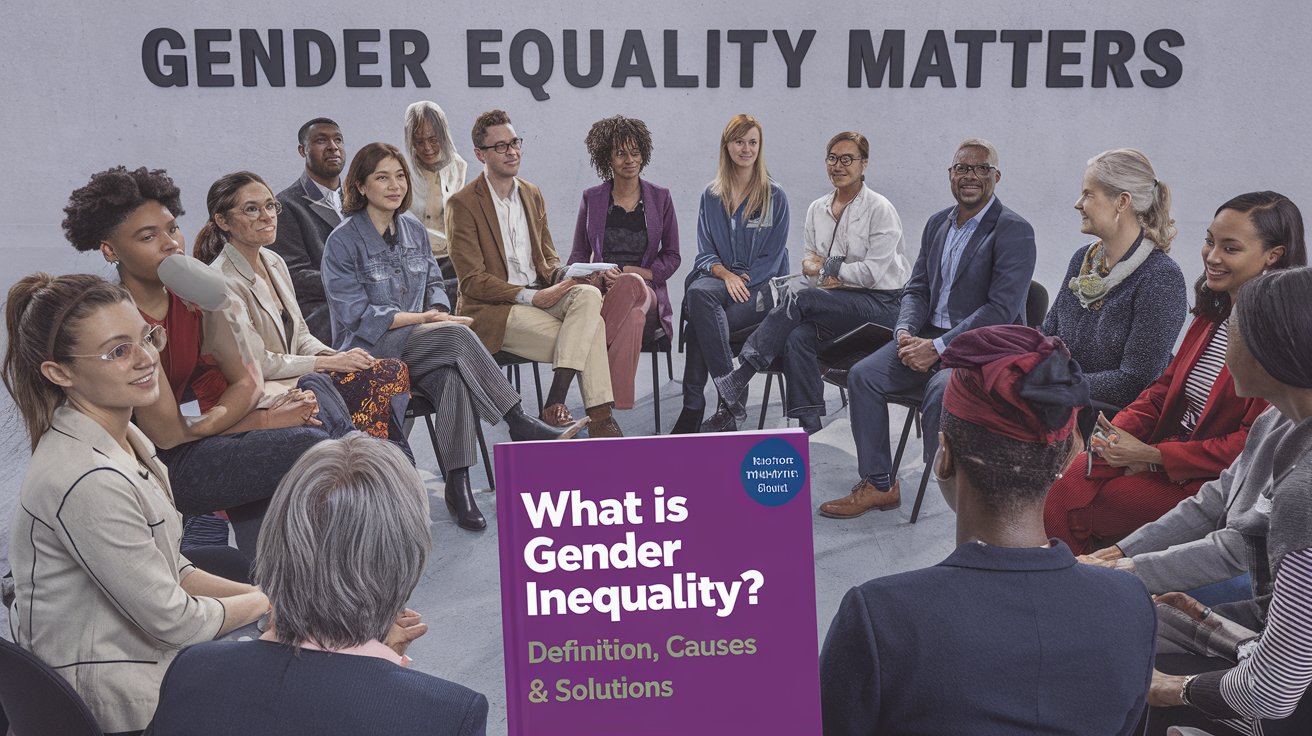
Gender inequality refers to the unequal treatment, opportunities, and rights afforded to individuals based on their gender. In the United States as of 2026, women earn approximately 82 cents for every dollar earned by men, and gender disparities persist across education, healthcare, political representation, and workplace advancement. Understanding gender inequality is essential for creating equitable societies where all individuals, regardless of gender identity, have equal access to resources, opportunities, and fundamental human rights.
Gender Inequality Meaning and Definition
Gender inequality encompasses the systemic differences in power, resources, and opportunities that exist between people of different genders. This inequality manifests when societal structures, cultural norms, and institutional policies create advantages for one gender while disadvantaging others. The concept extends beyond simple differences between men and women to include discrimination against transgender, non-binary, and gender non-conforming individuals who face compounded barriers in accessing equal rights and opportunities.
The simple definition of gender equality is the state in which all genders have equal rights, responsibilities, and opportunities. Conversely, gender inequality exists when these conditions are not met, resulting in disparate outcomes across economic, social, political, and personal dimensions of life. In sociology, gender inequality is studied as a social stratification system that organizes society hierarchically based on gender, creating patterns of advantage and disadvantage that reproduce themselves across generations through institutions, policies, and everyday interactions.
What Is Gender Bias and Gender Discrimination
Gender bias refers to the conscious or unconscious prejudice that favors one gender over another, influencing decisions, behaviors, and attitudes. This bias operates at individual, institutional, and societal levels, shaping everything from hiring decisions to healthcare delivery. In the United States workplace, gender bias contributes to phenomena like the glass ceiling, where qualified women are systematically prevented from advancing to senior leadership positions despite equivalent or superior qualifications compared to male counterparts.
Gender discrimination is the actionable manifestation of gender bias, involving the unequal treatment of individuals based on their gender. According to 2026 data from the Equal Employment Opportunity Commission, gender-based discrimination claims represent nearly 32% of all workplace discrimination complaints in the United States. Discrimination can be direct, such as refusing to hire women for certain positions, or indirect, such as implementing policies that disproportionately disadvantage one gender. The effects of gender discrimination in society are far-reaching, limiting economic growth, reducing educational attainment for girls and women in certain communities, and perpetuating cycles of poverty and marginalization that particularly affect children and young people in all their diversity.
Types of Gender Inequality
Understanding the various types of gender inequality helps identify specific areas requiring intervention and reform. These categories overlap and reinforce each other, creating complex systems of disadvantage that vary across different communities and demographic groups.
Economic Gender Inequality
Economic inequality between genders remains one of the most measurable forms of disparity. In 2026, the gender pay gap in the United States stands at 18%, with women earning 82 cents for every dollar earned by men when comparing full-time, year-round workers. This gap widens significantly for women of color, with Black women earning approximately 67 cents, Native American women earning 60 cents, and Latina women earning 57 cents for every dollar earned by white, non-Hispanic men. Beyond wages, gender inequality manifests in retirement savings disparities, with women accumulating 30% less in retirement accounts than men due to lower lifetime earnings, career interruptions for caregiving, and longer life expectancies requiring more resources.
Educational Gender Inequality
While the United States has achieved near-parity in primary and secondary education, subtle forms of educational inequality persist. Gender stereotyping in STEM fields continues, with women representing only 28% of the science and engineering workforce in 2026 despite comprising half of the college-educated workforce. Girls in certain communities, particularly immigrant and low-income populations, face barriers including lack of access to menstrual products, safety concerns, and cultural expectations that prioritize boys’ education. Additionally, transgender and gender non-conforming students report significantly higher rates of harassment and discrimination, with 74% experiencing verbal harassment and 36% experiencing physical harassment based on their gender identity according to 2026 surveys.
Political Gender Inequality
Political representation reveals stark gender inequality in decision-making power. As of 2026, women hold 29% of seats in the U.S. Congress, 31% of state legislative seats, and represent only 18% of governors. This underrepresentation means that policies affecting women’s lives, including reproductive healthcare, family leave, and childcare, are predominantly shaped by male legislators. The inequality extends beyond elected office to appointed positions, with women holding only 34% of federal judicial appointments and remaining significantly underrepresented in corporate boards, where they occupy 32% of Fortune 500 board seats despite proven positive impacts on company performance and governance.
Gender Inequality Examples in American Society
Real-world examples of gender inequality illustrate how theoretical concepts translate into daily experiences affecting millions of Americans. These examples span across multiple domains of life, from the workplace to healthcare systems, demonstrating the pervasive nature of gender disparities.
What Is Gender Inequality in the Workplace
Gender inequality in the workplace manifests through multiple mechanisms that create unequal conditions for workers based on gender. The motherhood penalty exemplifies this inequality, with mothers experiencing wage reductions averaging 4% per child, while fathers experience a wage premium of approximately 6% per child. Women comprise 73% of workers in the ten lowest-paying occupations in the United States, including childcare workers, home health aides, and food service workers, while representing only 30% of workers in the ten highest-paying occupations such as surgeons, chief executives, and software developers.
Sexual harassment remains a significant manifestation of workplace inequality, with 81% of women reporting experiencing some form of sexual harassment during their lifetimes according to 2026 data. Workplace policies often lack adequate paid family leave, with the United States remaining the only industrialized nation without guaranteed paid maternity leave. This gap disproportionately affects women, who continue to bear primary caregiving responsibilities and face difficult choices between career advancement and family obligations. Additionally, transgender workers report unemployment rates twice the national average and experience discrimination in hiring, promotion, and workplace treatment at significantly higher rates than cisgender workers.
Healthcare and Reproductive Rights Disparities
Healthcare systems demonstrate significant gender inequality through disparities in research, treatment, and access. Medical research has historically focused on male subjects, leading to gaps in understanding how diseases and treatments affect women differently. Women experience longer delays in receiving diagnoses for conditions like heart disease and autoimmune disorders, partly because symptoms present differently than in men and partly due to systemic dismissal of women’s pain reports. Maternal mortality rates in the United States, at 23.8 deaths per 100,000 live births in 2026, are significantly higher than in other developed nations, with Black women experiencing maternal mortality at rates 2.6 times higher than white women, reflecting intersectional inequality based on both gender and race.
Main Causes of Gender Inequality
Understanding what is the main cause of gender inequality requires examining multiple interconnected factors that create and perpetuate disparities. While no single cause explains all gender inequality, several fundamental mechanisms work together to maintain unequal systems.
Cultural Norms and Gender Stereotypes
Traditional gender roles and stereotypes constitute a primary cause of inequality by establishing expectations about appropriate behaviors, capabilities, and life paths based on gender. These cultural norms position women as primary caregivers and men as breadwinners, limiting choices for all genders. In 2026, despite changing attitudes, 42% of Americans still believe children are better off when mothers stay home, and 68% believe men face pressure to be the primary financial providers. These expectations create self-reinforcing cycles where women who prioritize careers face social penalties, while men who prioritize caregiving face professional disadvantages and social stigma.
Gender stereotypes beginning in early childhood shape educational and career trajectories. Studies show that by age six, girls begin to believe that brilliance is a male trait, affecting their interest in fields perceived as requiring exceptional intelligence. Media representations, toys, and educational materials continue to reinforce gender stereotypes, with boys’ toys emphasizing building, competition, and leadership while girls’ toys focus on caregiving, appearance, and domestic activities. These early influences compound over time, channeling individuals into gender-segregated occupations that typically value male-dominated fields more highly in compensation and status.
Structural and Institutional Barriers
Institutional policies and practices create structural inequality that persists regardless of individual attitudes or intentions. Workplace structures designed around male life patterns, assuming uninterrupted careers and minimal caregiving responsibilities, disadvantage workers who require flexibility for family obligations. The lack of universal paid family leave, affordable childcare, and flexible work arrangements in many sectors forces difficult tradeoffs that disproportionately affect women. In 2026, childcare costs average $11,582 annually for infants in the United States, representing 18% of median family income and creating substantial barriers to workforce participation.
Legal and policy frameworks also contribute to gender inequality. While overt discrimination is illegal, enforcement remains inconsistent, and proving discrimination is challenging. Pregnancy discrimination persists, with pregnant workers facing termination, demotion, or refusal of reasonable accommodations at rates that have actually increased in recent years. Additionally, occupational segregation, where certain jobs are predominantly held by one gender, receives insufficient policy attention despite its significant contribution to wage gaps. Jobs requiring similar skills, education, and responsibility receive vastly different compensation based largely on whether they are female-dominated or male-dominated fields.
Intersectionality and Compounded Discrimination
Intersectionality recognizes that gender inequality intersects with other forms of discrimination based on race, ethnicity, sexual orientation, disability, and socioeconomic status, creating unique experiences of disadvantage. Women of color face compounded discrimination that cannot be understood by examining gender or race alone. Similarly, LGBTQ+ individuals experience discrimination based on both gender identity and sexual orientation, with transgender women of color facing particularly severe employment discrimination, violence, and poverty. In 2026, the poverty rate for transgender individuals stands at 29%, more than twice the general population rate, illustrating how multiple marginalized identities compound disadvantage.
What Is the Gender Inequality Index
The Gender Inequality Index (GII) is a composite measure developed by the United Nations Development Programme that quantifies gender disparities across three dimensions: reproductive health, empowerment, and economic participation. The index ranges from 0 (perfect equality) to 1 (complete inequality), providing a standardized tool for comparing gender inequality across countries and tracking progress over time. The GII measures reproductive health through maternal mortality ratios and adolescent birth rates, empowerment through educational attainment and parliamentary representation, and economic participation through labor force participation rates.
In 2026, the United States ranks 48th globally on the Gender Inequality Index with a score of 0.187, indicating moderate inequality. This ranking places the U.S. behind many European countries, Canada, and several Asian nations, reflecting persistent disparities despite high overall development levels. The index reveals that America’s relatively high maternal mortality rate and low political representation of women significantly impact its ranking. Critics note that the GII, while valuable, has limitations including its focus on binary gender categories, exclusion of violence against women, and inability to capture discrimination against transgender and non-binary individuals. Nevertheless, it remains an important tool for identifying areas requiring policy intervention and measuring the effectiveness of gender equality initiatives.
The Main Idea of Gender Inequality
The main idea of gender inequality centers on the concept that individuals experience systematically different treatment, opportunities, and outcomes based solely on their gender rather than their individual capabilities, preferences, or merit. This fundamental inequity violates principles of fairness and human rights while creating inefficiencies that harm entire societies. The core concept recognizes that gender inequality is not natural or inevitable but rather socially constructed through institutions, norms, and practices that can be changed through conscious effort and policy intervention.
Understanding gender inequality requires recognizing that it operates at multiple levels simultaneously. At the individual level, it shapes personal experiences, opportunities, and self-perceptions. At the interpersonal level, it influences relationships, family dynamics, and daily interactions. At the institutional level, it becomes embedded in organizational policies, legal frameworks, and economic structures. At the societal level, it manifests in cultural values, media representations, and collective beliefs about gender capabilities and appropriate roles. These levels interact and reinforce each other, making gender inequality self-perpetuating without active intervention. The main idea also encompasses recognition that all genders are harmed by inequality, as rigid gender expectations limit human potential, creativity, and wellbeing regardless of whether one belongs to an advantaged or disadvantaged group.
Gender Inequality Solutions and Pathways Forward
Addressing gender inequality requires comprehensive, multi-level interventions that target root causes while providing immediate relief for those experiencing discrimination. Effective solutions combine legal reforms, institutional policy changes, cultural transformation, and individual action to create lasting change.
Policy and Legal Reforms
Legislative action provides foundational solutions to gender inequality by establishing rights, prohibiting discrimination, and creating enforcement mechanisms. Key policy priorities for the United States in 2026 include implementing universal paid family leave, which currently exists in only 13 states, to support caregiving responsibilities without career penalties. Affordable, high-quality childcare through subsidized programs would enable greater workforce participation and reduce the motherhood penalty. Strengthening equal pay enforcement through mandatory pay transparency, salary history bans, and increased resources for the Equal Employment Opportunity Commission addresses wage disparities directly.
Legal reforms should expand protections for transgender and non-binary individuals, ensuring comprehensive non-discrimination coverage in employment, housing, healthcare, and public accommodations. Additionally, reforming sexual harassment laws to shift burdens of proof, eliminate forced arbitration clauses, and protect whistleblowers creates safer workplaces. Education policy reforms requiring comprehensive, inclusive sexuality education and gender studies curricula help challenge stereotypes and promote equality from early ages. Finally, electoral reforms including campaign finance reform, ranked-choice voting, and recruitment initiatives specifically targeting women and gender minorities for political candidacy address political representation gaps.
Corporate and Institutional Changes
Organizations play crucial roles in advancing gender equality through internal policies and practices. Implementing blind recruitment processes, structured interviews, and diverse hiring panels reduces unconscious bias in hiring decisions. Establishing transparent promotion criteria, sponsorship programs for high-potential women, and accountability metrics for managers addresses advancement disparities. Salary audits identifying and correcting gender-based pay gaps demonstrate commitment to equal compensation for equal work.
Creating inclusive workplace cultures requires comprehensive anti-harassment training, clear reporting mechanisms with protections against retaliation, and swift, transparent responses to complaints. Flexible work arrangements, including remote work options, flexible scheduling, and job-sharing opportunities, accommodate diverse needs while maintaining productivity. Generous parental leave policies available to all parents, regardless of gender, help normalize caregiving as a shared responsibility rather than primarily a women’s issue. Additionally, supporting employee resource groups for women and LGBTQ+ employees, providing mentorship and networking opportunities, and ensuring diverse representation on boards and leadership teams creates organizational cultures where all employees can thrive.
Cultural and Educational Initiatives
Long-term solutions to gender inequality require cultural transformation challenging deeply held beliefs and stereotypes. Educational programs beginning in early childhood that present diverse representations of gender roles, showcase women in leadership and STEM fields, and teach critical thinking about media messages help shape more equitable attitudes. Mentorship and sponsorship programs connecting girls with women in traditionally male-dominated fields provide role models and practical support for pursuing non-traditional career paths.
Media representation matters significantly in shaping cultural norms. Supporting content that depicts women in diverse, complex roles beyond traditional stereotypes, showcases men as capable caregivers, and authentically represents transgender and non-binary individuals helps normalize gender equality. Community-based initiatives bringing together diverse stakeholders to address local manifestations of inequality, from school policies to workplace practices to public safety concerns, create grassroots momentum for change. Finally, engaging men and boys as partners in advancing equality recognizes that everyone benefits from dismantling restrictive gender norms and that sustainable change requires participation across all genders.
Understanding Gender Inequality Across Educational Levels
For students asking what is gender inequality class 7 level, the concept can be explained as the unfair treatment of people based on whether they are male, female, or identify with another gender. At this educational level, students learn that inequality means some people have more opportunities, rights, or advantages than others not because of their abilities but because of their gender. Simple examples include situations where girls are told they cannot play certain sports, boys are told they should not show emotions, or people face bullying because their gender expression does not match traditional expectations.
As students progress to more advanced levels, they encounter more sophisticated analyses of gender inequality. High school and college courses explore how gender intersects with other identity categories, examine historical developments in gender relations, and analyze contemporary policy debates. Essay assignments on gender inequality typically require students to identify specific forms of inequality, explain underlying causes using sociological theories, provide evidence-based examples, and propose realistic solutions. Understanding gender inequality at various educational levels builds critical thinking skills, empathy, and civic engagement that prepares students to contribute to more equitable societies.
Related video about what is gender inequality
This video complements the article information with a practical visual demonstration.
Key Questions and Answers
What is the simple definition of gender equality?
Gender equality is the state in which all people, regardless of their gender, have equal rights, responsibilities, opportunities, and access to resources. It means that gender does not determine what opportunities, rights, or responsibilities a person has in society. Gender equality does not require that women, men, and people of other gender identities become the same, but rather that they have equal value, treatment, and chances to achieve their potential. In practical terms, this includes equal pay for equal work, equal representation in decision-making positions, equal access to education and healthcare, and freedom from discrimination and violence based on gender.
What are the 5 types of inequality related to gender?
The five main types of gender inequality include: (1) Economic inequality, encompassing wage gaps, occupational segregation, and disparities in wealth accumulation; (2) Political inequality, involving underrepresentation in government, leadership positions, and decision-making bodies; (3) Educational inequality, including differences in access to education, academic tracking, and opportunities in STEM fields; (4) Health inequality, covering disparities in healthcare access, research representation, and maternal mortality rates; and (5) Social inequality, involving domestic labor distribution, caregiving responsibilities, and exposure to violence and harassment. These types overlap and reinforce each other, creating complex systems of disadvantage that require comprehensive interventions addressing multiple dimensions simultaneously.
What is the main cause of gender inequality in modern society?
The main cause of gender inequality is the persistence of traditional gender norms and stereotypes that assign different values, roles, and expectations to people based on their gender. These cultural beliefs become embedded in institutional structures, policies, and practices that systematically advantage some genders while disadvantaging others. Gender stereotypes beginning in early childhood channel individuals into different educational and career paths, with occupations associated with women typically receiving lower compensation and status. Additionally, structural factors like inadequate childcare, lack of paid family leave, and workplace cultures designed around male life patterns create barriers that disproportionately affect women. The intersectionality of gender with race, class, and other identities compounds these disadvantages, creating unique experiences of discrimination that require targeted solutions.
How does gender inequality affect society as a whole?
Gender inequality harms entire societies by wasting human potential, limiting economic growth, and reducing overall wellbeing. Economically, the McKinsey Global Institute estimates that advancing gender equality could add $4.3 trillion to U.S. GDP by 2025. When talented individuals face barriers based on gender rather than merit, societies lose innovation, productivity, and diverse perspectives in problem-solving. Socially, inequality contributes to higher rates of violence, mental health problems, and family instability that affect communities beyond those directly experiencing discrimination. Children growing up in societies with greater gender equality demonstrate better educational outcomes, health, and emotional wellbeing regardless of their gender. Furthermore, rigid gender expectations limit choices and authentic self-expression for all genders, reducing life satisfaction and personal fulfillment across the population.
What is gender inequality in sociology perspective?
In sociology, gender inequality is understood as a system of social stratification that organizes society hierarchically based on gender, creating patterns of advantage and disadvantage that persist across time and space. Sociologists examine how gender inequality operates at macro levels through institutions like the economy, political systems, and legal frameworks; at meso levels through organizations, communities, and social networks; and at micro levels through interpersonal interactions and individual identities. Sociological perspectives emphasize that gender inequality is socially constructed rather than biologically determined, maintained through socialization processes, institutional practices, and ideological systems that naturalize unequal arrangements. Different sociological theories offer varying explanations, with functionalists viewing gender differentiation as promoting social stability, conflict theorists emphasizing power struggles and exploitation, and symbolic interactionists focusing on how gender meanings are created and reinforced through daily interactions.
What are effective solutions to address gender inequality?
Effective solutions to gender inequality require multi-level interventions combining policy reforms, institutional changes, and cultural transformation. Policy solutions include implementing universal paid family leave, ensuring affordable childcare, strengthening equal pay enforcement through salary transparency, and expanding legal protections against discrimination for all gender identities. Institutional solutions involve corporations conducting salary audits, establishing mentorship programs, implementing blind recruitment processes, and creating inclusive workplace cultures with strong anti-harassment policies. Educational and cultural solutions include challenging gender stereotypes from early childhood, increasing media representation of diverse gender roles, engaging men as partners in equality efforts, and supporting grassroots community initiatives. Individual actions such as confronting biased comments, supporting women-owned businesses, voting for candidates committed to gender equality, and modeling non-stereotypical behaviors also contribute to change. Sustainable progress requires simultaneous action across all these levels, recognizing that gender inequality is deeply embedded in multiple systems requiring comprehensive transformation.
| Aspect of Gender Inequality | Current Status in U.S. (2026) | Key Solution Pathway |
|---|---|---|
| Economic Inequality | Women earn 82 cents per dollar men earn; gap widens for women of color | Pay transparency, salary audits, equal pay enforcement, affordable childcare |
| Political Representation | Women hold 29% of Congressional seats, 18% of governorships | Campaign finance reform, recruitment initiatives, mentorship for candidates |
| Workplace Inequality | Motherhood penalty of 4% per child; 81% of women experience harassment | Paid family leave, flexible work policies, anti-harassment training, diverse leadership |
| Educational Disparities | Women represent only 28% of STEM workforce; transgender students face 74% harassment rate | Early intervention programs, inclusive curricula, safe school environments, STEM mentorship |
| Healthcare Inequality | Maternal mortality at 23.8 per 100,000; Black women experience 2.6x higher rates | Inclusive medical research, bias training for providers, expanded reproductive healthcare access |